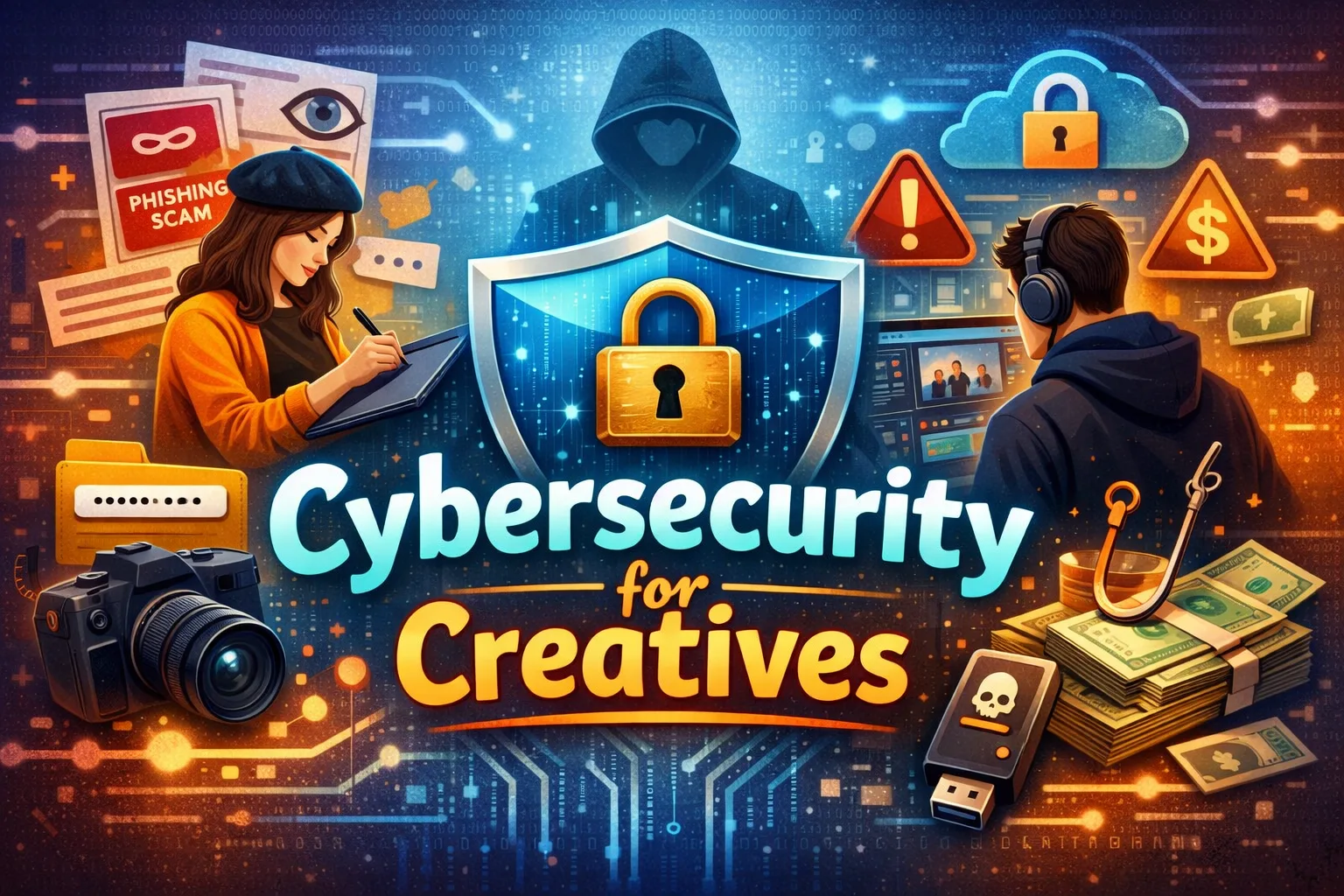

In today’s digital age, cybersecurity is no longer just a concern for tech experts. It has become an essential skill for everyone, especially for creatives who rely on the internet to showcase their work, connect with clients, and manage their careers. As a creative—whether you’re a designer, writer, video editor, or marketer—your digital assets, including your ideas, income, and reputation, are constantly under threat. In this blog article, we’ll explore why cybersecurity matters for creatives, delve into basic concepts you should know, highlight common cyber threats you might face, and provide simple habits to develop a robust cybersecurity strategy.
Why Cybersecurity Matters for Creatives
The digital landscape offers both opportunities and vulnerabilities. As a creative professional, your work exists online, making you an attractive target for cybercriminals. Here are some key reasons why cybersecurity is crucial for creatives:
1. Protecting Intellectual Property
For creatives, your ideas and works are your most valuable assets. With the rise of content theft, where individuals steal designs, videos, or writing, it's essential to protect your intellectual property. Cybersecurity measures help safeguard your original works from unauthorized duplication or commercial use.
2. Securing Accounts and Client Relationships
Account hacking on platforms like Instagram, Fiverr, or Upwork can disrupt your workflow, costing you not only access to your projects but also potential clients. If your account gets compromised, it can lead to miscommunication, lost income, and damage to your professional reputation.
3. Preventing Client Data Leaks
Many creative professionals handle sensitive client data, from personal information to payment details. A data breach can result in severe consequences, including legal repercussions and a loss of trust from clients. Proper cybersecurity practices can prevent these situations and help maintain strong client relationships.
4. Avoiding Scams and Phishing Attacks
Scams and phishing attacks are rampant in the creative industry. Cybercriminals often pose as legitimate clients or platforms, tricking creatives into revealing sensitive information. By understanding and recognizing these attacks, you can protect yourself and your work.
5. Preserving Financial Integrity
Losing access to your accounts or files not only impacts your ability to work but also affects your income and credibility. Cybersecurity protects you from potential financial fraud, ensuring that your earnings remain secure.
Basic Cybersecurity Concepts You Should Know
Here are some fundamental cybersecurity concepts specifically tailored for creatives. Understanding these practices can help you safeguard your work and personal information.
1. Passwords & Authentication
- Use Strong, Unique Passwords: Create complex passwords that combine letters, numbers, and symbols. Avoid using easily guessable information like birthdays or common words.
- Enable Two-Factor Authentication (2FA): This security feature adds an extra layer of protection by requiring a second form of verification in addition to your password. Ensure that 2FA is activated on all platforms you utilize.
Example: Do not use the same password across your email and design platforms. Each account should have its own unique password.
2. Phishing Awareness
Phishing is a tactic used by cybercriminals to trick individuals into divulging personal information, such as login details. Here are tips to stay vigilant:
- Avoid Clicking Suspicious Links: Always be cautious of links in emails or messages, especially if they appear out of context.
- Verify Emails: Emails claiming to be from platforms like Upwork or Fiverr should always be validated. Check the sender's address and look for grammatical errors, which are common in phishing attempts.
3. Secure File Storage
Choose reliable file storage solutions to ensure your work remains safe:
- Use Trusted Platforms: Utilize reputable services like Google Drive or Dropbox for storing and sharing files.
- Backup Your Work Regularly: Implement a consistent backup strategy to secure your files and projects. Regular backups can save you from losing precious work due to hardware failures or cyber incidents.
4. Device Protection
Maintaining the security of your devices is essential in the creative field:
- Install Antivirus Software: Protect your devices from malware and other digital threats by keeping antivirus software up to date.
- Keep Devices Updated: Regularly update your operating system, applications, and antivirus software to safeguard against vulnerabilities.
- Avoid Public Wi-Fi for Sensitive Work: Public Wi-Fi networks can be breeding grounds for cyber threats. If possible, use a virtual private network (VPN) when accessing sensitive information on public networks.
5. Personal Branding Protection
To maintain your professional image and protect your content:
- Watermark Your Work: Adding a watermark to your designs, videos, and images can deter thieves from using your work without permission.
- Monitor Where Your Content Is Used: Regularly check the internet to see if your work is being used appropriately. If you find unauthorized use, take necessary action to address the issue.
Common Cyber Threats Creatives Face
Creatives encounter various cybersecurity threats that can severely impact their work and livelihood. Here are some of the most common ones:
1. Fake Job Offers
Freelancers and creative professionals often receive enticing job offers that turn out to be scams. These fake offers can lead to financial loss, identity theft, or unauthorized access to your accounts.
2. Malware Hidden in “Client Files”
Cybercriminals may disguise malware within files sent by clients. Opening these files can compromise your device and personal information. Always scan files before opening them.
3. Social Media Impersonation
Impersonation on social media platforms can lead to fraudulent activities that tarnish your brand. Attackers may create fake accounts, misrepresenting your identity and deceiving your audience.
4. Payment Fraud
There are numerous ways cybercriminals attempt to exploit creatives financially. This can include fraudulent payment requests or fake invoices. Always verify payment details and processes before proceeding.
Simple Cybersecurity Habits to Start Today
Implementing these simple habits can enhance your cybersecurity posture and protect your creative work:
1. Use a Password Manager
A password manager can help you create and store strong passwords securely, reducing the risk of forgotten passwords and ensuring that each account has a unique password.
2. Turn on 2FA Everywhere
Enable two-factor authentication on all platforms you utilize. This small step can significantly enhance the security of your accounts.
3. Double-Check Links Before Clicking
Before you click on any link—whether in an email, message, or social media post—take a moment to verify its legitimacy. Look for slight variations in URLs or red flags in the sender's email address.
4. Backup Your Files Weekly
Consistently back up your files to an external drive or cloud storage service. Establish a routine to ensure that you never lose valuable work.
5. Keep Learning About Online Safety
Stay informed about the latest cybersecurity threats and best practices. Participate in webinars, read articles, and engage with communities focused on digital safety.
Final Thought
In today’s ever-evolving digital landscape, cybersecurity is a critical competency for every creative. Protecting your work means safeguarding your future and ensuring that you can continue to express your talents without fear of compromise. By adopting robust cybersecurity practices, you not only protect your creative assets but also foster a safe and secure environment for your clients and collaborators. Embrace cybersecurity as a vital aspect of your professional journey, and empower yourself as a skilled creative in the digital realm.